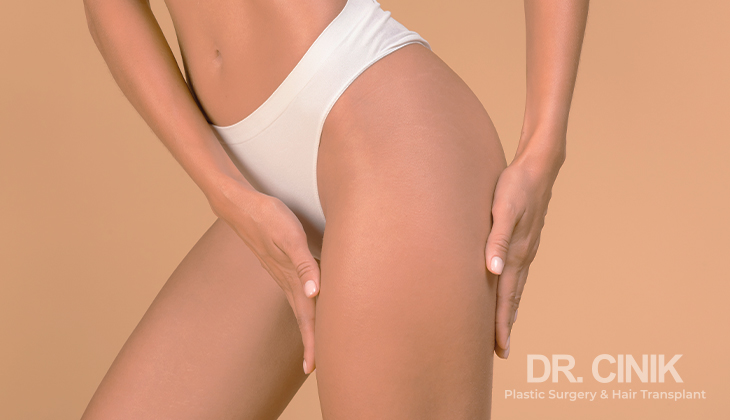
Inner Thigh Lift: Benefits, Risks and Results
If you were previously overweight and have lost a substantial amount of weight, the chances that you have saggy inner thigh skin are high.
In such a case, undergoing an inner thigh lift is your ideal solution to get rid of overstretched skin in this area of your body. Thus, enhancing your physical appearance and boosting your confidence significantly.
In this article, we explore inner thigh lift surgery in detail, covering everything from the surgical process to recovery and the expected results.

What Is an Inner Thigh Lift?
An inner thigh lift is a cosmetic procedure that aims at enhancing the appearance of this area of the thigh by removing excess skin and fat. Also called medial thigh lift, this surgery is the most common type of thigh lift.
Mini inner thigh lift surgery
This operation is a less invasive type of inner thigh lift, focusing only on the upper part of the inner thigh with minimal incisions applied.
Who Can Get an Inner Thigh Lift Surgery?
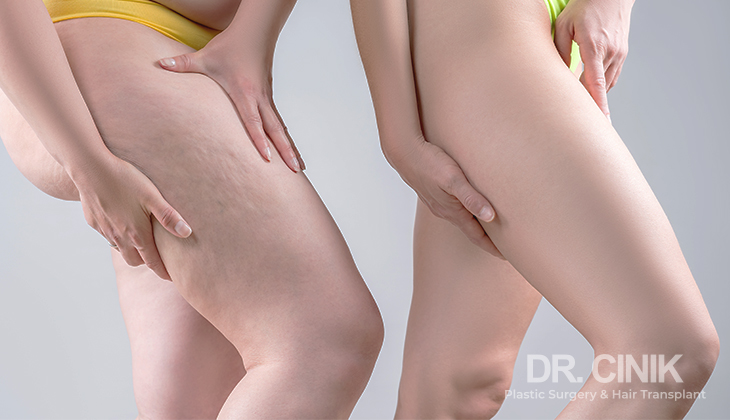
People who may consider getting an inner thigh lift operation include those who have undergone major weight loss, as this may lead to losing skin elasticity and other issues that include:
- Cellulite or dimpled skin.
- Saggy inner thigh skin.
- Skin rashes and chafing.
Candidates of an Inner Thigh Lift
Ideal candidates for an inner thigh lift are non-smokers, have no underlying medical conditions, such as diabetes, and have maintained their goal weight for one year.
Inner Thigh Lift After Weight Loss
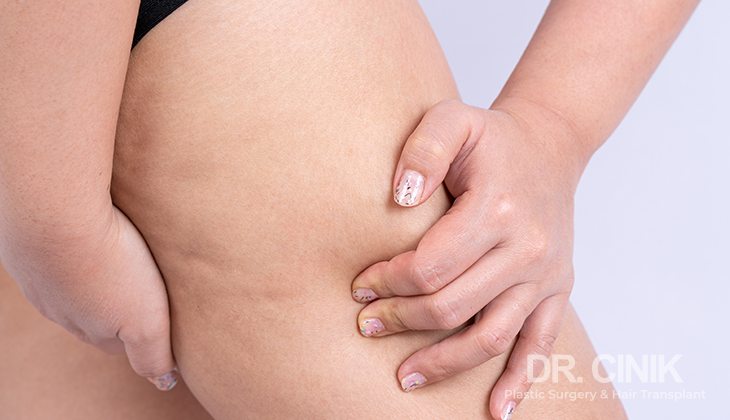
Undergoing an inner thigh reduction after massive weight loss is advisable as it serves both reconstructive and aesthetic goals.
The combined approach of L thighplasty with abdominoplasty and lower body lift effectively improves severe laxity in the lower torso and thighs.
Inner Thigh Lift and Tummy Tuck
Many patients who have lost a lot of weight may opt for having tummy tuck and inner thigh reduction operations at the same time.
Such a decision is possible as long as they are in good health condition, don’t smoke, and have no underlying medical conditions. Younger patients are good candidates for combining these surgeries.

What Is the Difference Between an Inner Thigh Lift and Other Thigh Lifts?
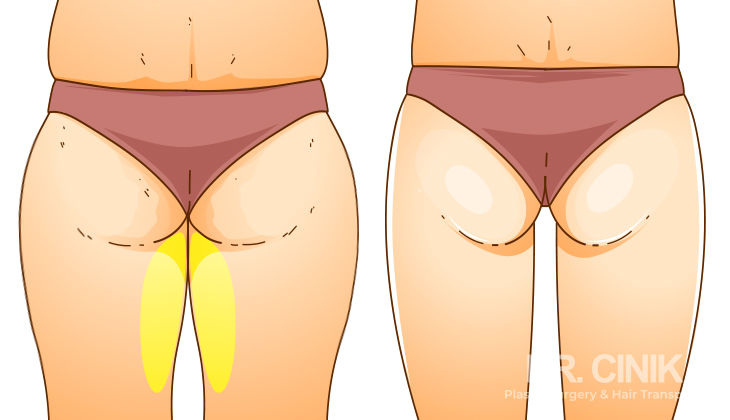
Unlike other types of thigh lifts, inner thigh lift surgeons specifically target reducing the saggy inner thigh skin in this area, toning it, and improving its aesthetics.
6 Steps for Inner Thigh Reduction Procedure
Inner thigh surgery patients have to go through 6 main steps during their surgery as follows:
1.Your surgeon marks the incision lines on your thighs while you’re standing.
2. To make sure you feel no pain, your anesthesiologist provides you with anesthesia to ensure that you go to sleep during the procedure.
3. Depending on your case, your surgeon makes the appropriate thigh incisions.
4. The plastic surgeon removes fat, repositions tissue, tightens nearby muscles, and trims saggy skin.
5. To secure tissue deep in your thighs and support your new shape, the surgeon applies stitches to the thighs.
6. To complete the procedure, the surgeon uses a special skin adhesive to close the incisions.
How Long Does Inner Thigh Lift Surgery Take?
During the consultation period, your inner thigh lift surgeon will go through the time estimate of your surgery, which is expected to take approximately 2 hours.
Inner Thigh Lift Aftercare
Following the medial thigh lift operation, it is essential to heed your surgeon’s post-operative instructions to expedite your recovery process and minimize the risk of complications.
After surgery, patients spend a few hours in recovery so the medical staff monitors them for any complications.
Rest is crucial during the first week, and patients should limit movement to reduce swelling and stress on the sutures. Also, patients should wear compression garments that support the new thigh contours.
Patients will begin to see improvement from 2 to 4 weeks into the operation, where they can also start moving while avoiding stressful activities.
After 6 weeks, most patients are expected to feel normal and resume their usual activities.
Patients must have follow-up appointments with their surgeons during the recovery process.
What Is the Recovery Time for an Inner Thigh Lift?
Your wounds are expected to heal within 6 weeks, and any swelling should subside completely after 6 months. Inner thigh lift scars after 1 year are expected to fade and be less visible.
How Long Does it Take to See the Final Results of a Medial Thigh Lift?
You can see the final results of your inner thigh lift operation after 6 months.
How Much Does an Inner Thigh Lift Cost in Turkey?
Compared to other countries, Turkey offers competitive prices for inner thigh lift surgery. The estimated cost of the surgery in Turkey ranges from €2,000- €3,000.
Factors that Affect Medial Thigh Lift In Turkey:
The cost of inner thigh lift in Turkey might vary depending on the following factors:
- Surgeon's expertise and qualifications.
- Surgical apparatus.
- Facility fees.
- Anesthesia fees.
- Post-operative recovery fees.

Benefits of an Inner Thigh Reduction
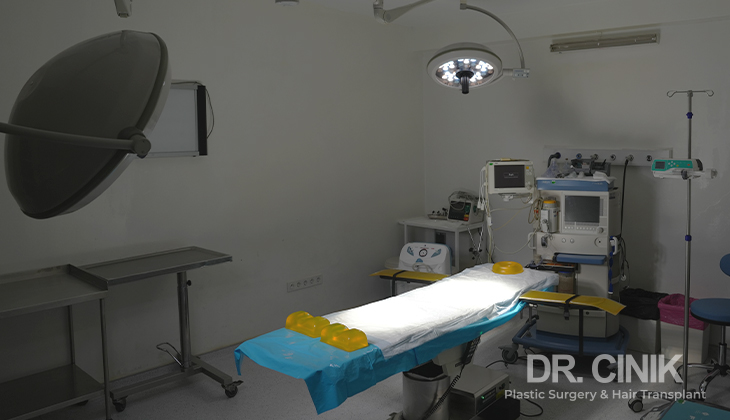
With the latest inner thigh reduction technologies and medical expertise, significant results and benefits await you at Dr. Cinik Polyclinic for your inner thigh lift procedure. These include:
- Boosted self-confidence in your physical appearance.
- Youthful and attractive look.
- Toned inner thighs.
- Smoother and contoured inner thighs.
- Tighter and less saggy inner thighs.
- Alleviation of friction rashes and skin irritation.
- Improved mobility and comfort.
What Are the Risks of Inner Thigh Lift Surgery?
Common issues of medial thigh lift include asymmetry in thigh shape, swelling, numbness, and poor wound recovery, most of which are expected to resolve within a few weeks.
At Dr. Cinik Polyclinic, all precautions are taken to ensure successful outcomes and recovery. It is worth noting that following pre- and post-surgery instructions and attending follow-up medical checkups are crucial for a quick and safe recovery.
Why You Should Get Your Thigh Lift at Dr. Cinik Polyclinic?
Whether you aim to enhance your appearance or reduce saggy inner thigh skin and improve your mobility, Dr. Cinik Polyclinic is your ideal destination!
At our clinic, not only do we have the best thigh lift surgeons and techniques in the field of inner thigh lift surgery, but we also ensure you enjoy a comfortable stay at the clinic post-operation and during the aftercare and recovery phase for optimal inner thigh lift outcomes.
So, what you are waiting for? Optimize your life now and achieve your ideal body by contacting us now at: +90 (541) 234 00 44
Frequently Asked Questions
Is Inner Thigh Lift Surgery Dangerous?
No, inner thigh lift surgery is not dangerous. It might involve some complications, but they are not serious.
Do Inner Thigh Lifts Work?
Yes, inner thigh lifts usually work and can help you achieve your ideal body goal.
How Painful Is an Inner Thigh Lift?
Inner thigh lift surgery can be painful, but the level of pain experienced varies from one person to another.
Can You Walk After an Inner Thigh Lift?
Patients are expected to walk without support 2 to 4 weeks after the thigh lift operation.
How Long After Thigh Lift Can I Exercise?
You can start low-impact exercise 6 weeks after thigh lift surgery.
Do thigh lift scars go away?
Your thigh lift scars should appear thinner, flatter, and less noticeable within 6 to 12 months.