
A gastric balloon, also known as an intragastric balloon, is a temporary, non-surgical weight-management treatment. It may be considered for selected patients who have not achieved sufficient weight loss through diet, exercise, or behavioural support alone but do not require or are not currently suitable for permanent bariatric surgery.
At Dr. Cinik Clinic in Istanbul, gastric balloon treatment is offered as part of an individually planned weight-management programme. The process may include medical assessment, endoscopic balloon placement, dietary guidance, short-term monitoring, and remote support after the patient returns home.
A gastric balloon can support meaningful weight loss, but it is not a permanent solution by itself. Its long-term effectiveness depends on nutritional guidance, behavioural changes, physical activity, and continued medical follow-up after the balloon has been removed.
What Is a Gastric Balloon?
A gastric balloon is a soft medical device placed inside the stomach to occupy space and help the patient feel full after eating smaller portions.
A standard endoscopic gastric balloon is inserted through the mouth using a flexible camera called an endoscope. Once the device has been positioned correctly, it is filled according to the manufacturer’s instructions. Some balloon systems are filled with saline, while others may use different materials or placement methods.
The balloon does not involve abdominal incisions and does not permanently alter the stomach or intestines. It must be removed or managed within the period specified for the particular device. The saline-filled balloon treatment described on Dr. Cinik Clinic’s current page is intended to remain in the stomach for approximately six months.
Is a Gastric Balloon Surgery?
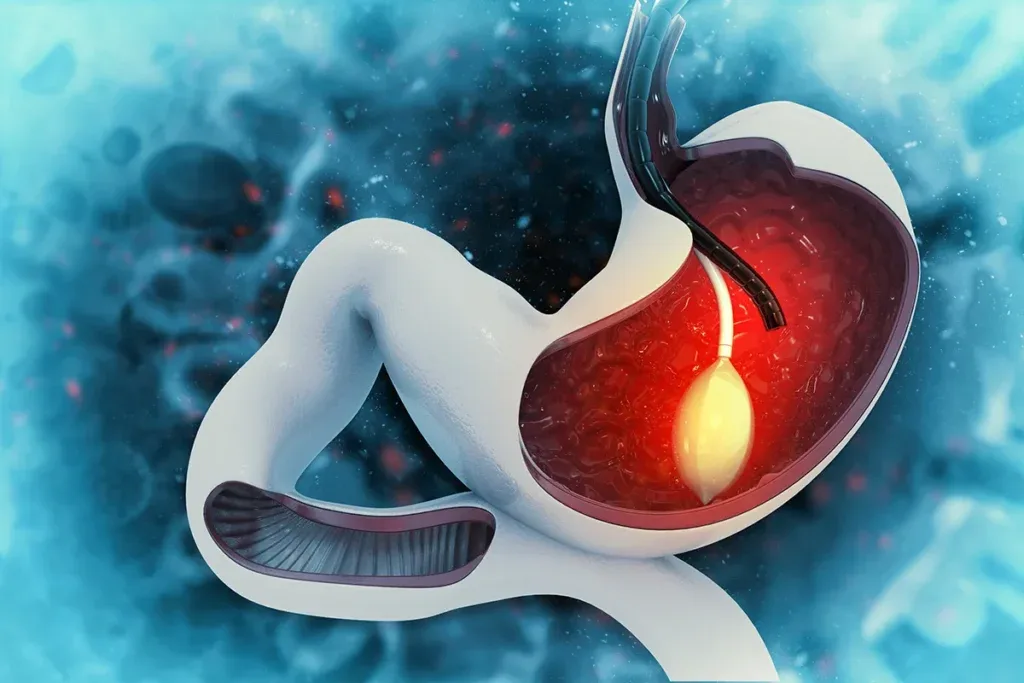
No. Gastric balloon placement is an endoscopic weight-loss procedure, not bariatric surgery.
Unlike gastric sleeve or gastric bypass surgery, it does not remove part of the stomach, create a stomach pouch, or reroute the small intestine.
The phrase “gastric balloon surgery” is commonly used in online searches, but medically, “gastric balloon procedure,” “intragastric balloon treatment,” or “endoscopic gastric balloon placement” is more accurate.
How Does a Gastric Balloon Support Weight Loss?
A gastric balloon may help with weight loss by:
Occupying space inside the stomach
Helping the patient feel full sooner
Reducing comfortable meal size
Slowing stomach emptying in some patients
Supporting portion control
Providing a structured period for changing eating habits
The balloon does not prevent the absorption of calories. High-calorie liquids, frequent snacking, sugary drinks, and overeating can still limit weight loss.
For this reason, gastric balloon treatment should be combined with a supervised nutritional and behavioural programme rather than treated as a stand-alone device.
Who Is a Candidate for a Gastric Balloon?
Suitability depends on the balloon system, local medical regulations, BMI, medical history, previous operations, and the patient’s ability to participate in follow-up.
A recent European guideline suggests that endoscopic bariatric and metabolic treatments may be considered alongside lifestyle modification for patients with:
A BMI of 30 or above
A BMI between 27 and 29.9 with at least one obesity-related health condition
However, individual devices may have narrower approved criteria. For example, the FDA-approved indication for the ORBERA intragastric balloon is for adults with a BMI between 30 and 40 who have not achieved lasting weight loss through supervised diet, exercise, and behavioural treatment.
A suitable candidate may:
Have overweight or obesity that affects health or quality of life
Have tried appropriate non-surgical weight-loss methods
Prefer a temporary, non-surgical option
Be willing to make long-term dietary and behavioural changes
Be medically suitable for endoscopy and sedation
Be able to attend nutritional and medical follow-up
Understand that weight regain is possible after balloon removal
Have realistic expectations regarding weight loss
BMI alone does not confirm eligibility. Every patient requires an individual assessment.
Who May Not Be Suitable for Gastric Balloon Treatment?
A gastric balloon may not be appropriate for patients with certain medical or anatomical conditions.
Depending on the device, possible contraindications may include:
Previous stomach or bariatric surgery
Active stomach or duodenal ulcers
Severe inflammation of the oesophagus or stomach
Significant gastrointestinal bleeding risk
A large hiatus hernia
Severe or uncontrolled acid reflux
Structural abnormalities of the oesophagus
Severe swallowing or stomach-motility disorders
Serious uncontrolled psychiatric illness
Active alcohol or drug dependency
Severe heart, lung, liver, or kidney disease
An inability to take prescribed acid-suppressing medication
An inability to attend follow-up or return for balloon removal
Pregnancy or breastfeeding
The device-specific instructions must be reviewed before treatment. A patient may require blood tests, imaging, endoscopy, or specialist consultation before final approval.
Can a Gastric Balloon Be Used Before Another Operation?
In selected cases, temporary weight loss may be recommended before another medical procedure, including certain orthopaedic, fertility, or bariatric operations.
However, this is not suitable for every patient. The expected benefit, treatment timing, balloon-removal plan, and risks must be assessed by the relevant medical specialists.
A gastric balloon should not be presented as a guaranteed way to qualify for another operation.
Why Consider a Gastric Balloon in Turkey?
Turkey is a popular destination for patients seeking endoscopic and bariatric weight-management treatments.
Patients may consider treatment in Istanbul because of:
Access to endoscopic weight-loss procedures
International patient coordination
Multilingual support
Hospital and hotel arrangements
Medical tourism packages
Potentially lower treatment costs than in some other countries
Price should not be the only consideration when selecting a clinic.
Patients should also evaluate:
The qualifications of the doctor performing the endoscopy
The exact brand and type of gastric balloon
The facility where the procedure is performed
Anaesthesia and airway-management capabilities
Emergency and surgical support
The pre-procedure assessment
The nutritional support programme
The balloon-removal plan
The arrangements for complications after returning home
Which services are included in the quoted price
Whether both placement and removal costs are included
The patient should receive written confirmation of the device type, maximum placement duration, aftercare programme, emergency contact information, and removal arrangements.
Gastric Balloon Treatment at Dr. Cinik Clinic
Dr. Cinik Clinic’s currently published gastric balloon programme describes:
Medical assessment before treatment
Endoscopic placement of a saline-filled balloon
Sedation during placement
International patient coordination
Hospital observation
Hotel accommodation
Dietary recommendations
Removal after approximately six months
Remote support during the treatment period
Programme details should be confirmed before travel because the current page contains conflicting information regarding anaesthesia, procedure duration, accommodation, and recovery time.
The overview section currently lists general anaesthesia, an operation time of one to two hours, three nights of hospital and hotel accommodation, and four weeks of recovery. The main article describes sedation, a procedure lasting approximately 20 to 30 minutes, one hospital night, and one hotel night.
These details should be standardised before publication or patient communication.
Step-by-Step Gastric Balloon Process
1. Remote Medical Assessment
Before travelling to Istanbul, the patient may be asked to provide information about:
Height, weight, and BMI
Existing health conditions
Previous stomach, oesophageal, or abdominal surgery
Current medications
Allergies
Acid reflux or swallowing symptoms
Previous weight-loss treatments
Alcohol and nicotine use
Pregnancy status
Eating behaviour and mental health
Previous problems with sedation or anaesthesia
The claim that no pre-arrival blood tests are ever required should be avoided. Laboratory testing and medical examinations may be necessary depending on the patient’s health, age, medication use, and planned sedation. Mayo Clinic also notes that patients may require tests and examinations before the procedure.
2. Consultation and Screening in Istanbul
Before placement, the medical team should confirm that the patient is suitable for endoscopy and gastric balloon treatment.
Assessment may include:
Medical examination
Review of medications
Blood tests when indicated
Anaesthetic or sedation assessment
Pregnancy testing when relevant
Nutritional evaluation
Psychological or behavioural assessment
Diagnostic endoscopy
Additional imaging or specialist consultations
The procedure may be postponed or cancelled if the assessment identifies an unacceptable risk.
3. Preparing for Balloon Placement
Patients must follow specific fasting instructions before endoscopy.
The statement “no overnight fasting is required” should not be used. Food or fluid in the stomach increases the risk of aspiration during sedation or endoscopy.
Patients may also be instructed to:
Stop eating and drinking at a specified time
Adjust certain medications under medical supervision
Avoid alcohol
Arrange transport after sedation
Begin prescribed acid-suppressing medication
Prepare for a liquid diet after placement
Patients should never stop prescribed medication unless instructed by the treating medical professional.
4. Balloon Placement
Endoscopic gastric balloon placement is generally performed in an endoscopy unit.
During the procedure:
Sedation or anaesthesia is administered according to the patient and clinical protocol.
An endoscope is passed through the mouth into the stomach.
The doctor examines the oesophagus and stomach.
The deflated balloon is placed inside the stomach.
The balloon is filled according to the manufacturer’s instructions.
The position and condition of the balloon are checked.
The endoscope and placement equipment are removed.
The endoscopic procedure may take approximately 30 minutes, although total treatment time is longer because of preparation, sedation, and recovery.
5. Immediate Recovery
After placement, patients are monitored until the effects of sedation have reduced and the medical team considers them stable.
Common early symptoms include:
Nausea
Vomiting
Abdominal cramps
Bloating
A feeling of heaviness
Acid reflux
Reduced ability to drink
Tiredness
These symptoms are often most noticeable during the first few days. Some patients require medication for nausea, cramping, reflux, or dehydration. Symptoms can occasionally be severe enough to require hospital treatment or early balloon removal.
The need for overnight observation depends on the device, symptoms, clinical protocol, and patient health. It should not be presented as identical for every patient.
6. Diet After Placement
The diet after gastric balloon placement usually progresses gradually.
The exact plan varies, but it may include:
Clear liquids
Full liquids
Puréed or soft foods
Gradual return to appropriate solid foods
Long-term portion-controlled eating
Patients should follow their own dietitian’s instructions.
General recommendations may include:
Drinking slowly
Taking small sips
Eating small meals
Chewing food thoroughly
Avoiding overeating
Avoiding carbonated drinks
Limiting sugary foods and drinks
Avoiding high-fat meals
Prioritising protein
Remaining adequately hydrated
Avoiding lying down immediately after eating
Following prescribed reflux medication
Patients should contact their medical team if they cannot keep fluids down.
Expected Weight Loss
Weight loss varies according to:
Starting weight and BMI
Balloon type
Time the balloon remains in place
Dietary adherence
Physical activity
Behavioural support
Medical conditions
Medication use
Follow-up participation
In the pivotal FDA study of the ORBERA balloon, patients achieved an average total body weight loss of approximately 10.2% at six months. Professional educational guidance commonly describes average weight loss of approximately 10% to 15% of total body weight over the treatment period, although no individual result can be guaranteed.
Patients may lose less or more than the published average.
Can a Gastric Balloon Improve Health Conditions?
Weight loss achieved during treatment may improve certain obesity-related conditions, such as:
High blood pressure
Blood-sugar control
Abnormal cholesterol levels
Sleep apnoea
Fatty liver disease
Reduced mobility
Weight-related joint discomfort
However, the balloon does not guarantee that any medical condition will resolve. Patients should continue prescribed treatment and medical monitoring unless their doctor advises otherwise.
Is Gastric Balloon Weight Loss Permanent?
The balloon itself is temporary.
Weight loss can be maintained after removal, but only if the patient continues the dietary, behavioural, and physical-activity changes developed during treatment.
Weight regain is possible if the patient returns to previous eating habits or does not receive sufficient long-term support. A structured programme should continue after balloon removal rather than ending on the removal date.
When Is the Gastric Balloon Removed?
The removal date depends on the specific balloon system.
A standard saline-filled ORBERA-type balloon must be removed within six months. Leaving a device in place longer than its approved period may increase the risk of deflation, migration, obstruction, or other complications.
The patient must have a clear removal plan before placement.
How Is the Balloon Removed?
For an endoscopically removable balloon:
The patient follows strict fasting instructions.
Sedation or anaesthesia is administered.
An endoscope is passed into the stomach.
The balloon is punctured and emptied.
The collapsed device is removed through the mouth.
The patient is monitored during recovery.
Balloon removal should not be described as having “no recovery time.” Patients still require observation after sedation and may experience temporary throat discomfort, nausea, bloating, or tiredness.
Risks and Possible Complications
A gastric balloon is less invasive than bariatric surgery, but it is not risk-free.
Common or expected side effects may include:
Nausea
Vomiting
Abdominal pain
Cramping
Bloating
Acid reflux
Heartburn
Belching
Reduced fluid intake
Temporary food intolerance
Less common but potentially serious complications include:
Severe dehydration
Persistent vomiting
Balloon intolerance requiring early removal
Gastric ulceration
Oesophageal injury
Bleeding
Balloon deflation
Balloon migration
Intestinal obstruction
Gastric outlet obstruction
Spontaneous balloon hyperinflation
Acute pancreatitis
Aspiration pneumonia
Perforation of the stomach or oesophagus
Infection
Complications related to sedation or anaesthesia
Emergency surgery
Rarely, death
The FDA has issued safety communications regarding liquid-filled balloons after reports of spontaneous hyperinflation, pancreatitis, serious complications, and deaths.
Marketing content should therefore avoid describing gastric balloon treatment simply as “safe” without also explaining the potential risks.
Warning Signs After Gastric Balloon Placement
Patients should seek urgent medical attention if they experience:
Severe or increasing abdominal pain
Severe back pain
Persistent vomiting
Inability to drink
Signs of dehydration
Abdominal swelling or distension
Difficulty breathing
Chest pain
Vomiting blood
Black stools
Fever
Fainting
Rapid heartbeat
Sudden loss of fullness with increased hunger
Unexplained weight gain
A change in urine colour when a dye-filled device is known to have been used
Loss of fullness, increased hunger, or unexpected weight gain may indicate balloon deflation and should be assessed promptly.
The claim that all saline balloons contain blue dye should be avoided. Dye use depends on the device. Patients should be told the exact balloon brand and how problems with that specific device may be detected.
Patient Responsibilities
To support safe treatment and better long-term results, patients must be prepared to:
Provide complete and accurate medical information
Follow fasting and medication instructions
Follow the staged post-procedure diet
Take prescribed medication
Maintain hydration
Avoid overeating
Avoid carbonated and high-calorie drinks
Attend medical and dietary follow-up
Remain in communication with the treatment team
Seek urgent care when warning signs appear
Return for balloon removal at the correct time
Continue healthy habits after removal
The balloon is a temporary tool. The patient’s long-term eating patterns and behaviour remain central to the outcome.
Exercise with a Gastric Balloon
Light walking may be resumed once the patient feels stable and the medical team approves it.
Exercise should be increased gradually after nausea, vomiting, cramping, and dehydration risk have improved.
The appropriate time to begin more strenuous activity depends on the patient’s recovery and health. Exercise should not be recommended solely according to a fixed number of days.
Can the Balloon Be Repeated?
A second gastric balloon may be considered in selected patients, but it should not be presented as an automatic or routine next step.
Before repeating treatment, the medical team should assess:
The result of the first balloon
Weight regain
Side effects or intolerance
Stomach and oesophageal health
Current BMI
Nutritional and behavioural progress
Alternative treatments
Whether bariatric surgery or medication may now be more suitable
Repeated balloon placement involves additional endoscopy, sedation, cost, and risk.
Gastric Balloon vs. Gastric Sleeve
Feature | Gastric Balloon | Gastric Sleeve |
|---|---|---|
Type | Endoscopic treatment | Bariatric surgery |
Incisions | None | Small laparoscopic incisions |
Stomach removal | No | Approximately 75%–80% removed |
Intestinal rerouting | No | No |
Temporary | Yes | No |
Removal required | Usually yes, depending on device | No |
Weight-loss potential | Moderate | Generally greater |
Anaesthesia | Sedation or anaesthesia, depending on protocol | General anaesthesia |
Recovery | Usually shorter | Several weeks |
Main risks | Intolerance, vomiting, migration, ulcer, obstruction, pancreatitis, perforation | Bleeding, leak, reflux, blood clots, nutritional deficiency |
Long-term support | Essential | Essential |
The right option depends on BMI, health conditions, previous treatment, expected weight loss, tolerance of risk, and ability to follow long-term care.
Body-Contouring Surgery After Gastric Balloon Treatment
Some patients who lose substantial weight may later consider body-contouring procedures such as:
Tummy tuck
Arm lift
Thigh lift
Breast lift
Male chest contouring
However, gastric balloon removal and major plastic surgery should not automatically be performed together.
Plastic surgery should be considered only after:
Weight has stabilised
Nutritional health has been assessed
The patient is medically suitable for anaesthesia
The expected benefits and risks have been reviewed
The surgeon has completed a separate consultation
A gastric balloon usually produces less weight loss than bariatric surgery, so not every patient will need or benefit from body-contouring surgery.
Frequently Asked Questions
Will I feel the balloon inside my stomach?
Many patients feel pressure, fullness, nausea, or cramping during the first few days. Some patients continue to notice the balloon, while others become less aware of it after the adjustment period.
Is gastric balloon placement painful?
The procedure itself is performed with sedation or anaesthesia. Abdominal discomfort, nausea, and cramping are common after placement and vary in severity.
How long does the procedure take?
The endoscopic placement itself may take approximately 30 minutes. Preparation and recovery from sedation make the total clinical visit longer.
Do I need to fast before the procedure?
Yes. Patients must follow the treatment team’s fasting instructions before endoscopy. The exact fasting period depends on the clinical and anaesthetic protocol.
Do I need to stay in hospital?
Some programmes are performed as outpatient treatments, while others include overnight observation. The decision depends on the patient’s symptoms, health, sedation, device, and clinic protocol.
Can a gastric balloon burst?
A balloon may leak or deflate. If it loses volume, it may migrate into the intestine and potentially cause an obstruction. Prompt medical assessment and removal may be required.
Will my urine turn blue if the balloon leaks?
Only certain balloon systems use coloured dye. This does not apply to every gastric balloon. The clinic should explain the monitoring instructions for the specific device used.
Is gastric balloon removal painful?
Removal is performed endoscopically with sedation or anaesthesia. Patients may experience temporary throat discomfort, nausea, bloating, or fatigue afterwards.
Can I go home immediately after removal?
Many patients leave the medical facility on the same day after observation. Driving and certain activities may be restricted following sedation.
How much weight will I lose?
Results vary. Many patients lose approximately 10% to 15% of their total body weight, but no result can be guaranteed.
Can I regain weight after removal?
Yes. Weight regain is possible, especially if dietary, behavioural, and physical-activity changes are not maintained.
Is the gastric balloon safer than bariatric surgery?
It is less invasive and does not involve abdominal surgery, but it has its own risks. The safest treatment depends on the patient’s health and individual clinical needs.
Can I have bariatric surgery after a gastric balloon?
Yes, selected patients may later undergo gastric sleeve, gastric bypass, or another treatment. A new medical assessment is required.
Can I have another balloon after removal?
A repeat balloon may be possible for selected patients, but the risks, previous response, and alternative treatments must first be reviewed.
Is long-term follow-up necessary?
Yes. Follow-up should continue during balloon treatment and after removal to help maintain weight loss and identify complications.
Conclusion
A gastric balloon is a temporary, non-surgical weight-management treatment that occupies space inside the stomach and helps selected patients feel full after smaller meals.
It may be suitable for adults who have not achieved sufficient weight loss through lifestyle measures alone and are prepared to participate in a supervised diet and behavioural programme.
Although gastric balloon treatment does not involve abdominal incisions or permanent changes to the digestive system, it still carries risks. These include nausea, vomiting, dehydration, intolerance, reflux, balloon deflation, migration, obstruction, ulceration, hyperinflation, pancreatitis, and perforation.
The result is not automatically permanent. Long-term success depends on maintaining healthier eating habits, regular physical activity, medical monitoring, and behavioural support after the balloon has been removed.
Patients considering a gastric balloon in Turkey should confirm the exact device, treatment schedule, removal plan, aftercare programme, emergency arrangements, and total cost before travelling.
At Dr. Cinik Clinic in Istanbul, gastric balloon treatment should be planned according to the patient’s medical history, weight-management goals, endoscopic suitability, nutritional needs, and ability to participate in long-term follow-up.