
Gastric bypass surgery, also known as Roux-en-Y gastric bypass, is an established metabolic and bariatric procedure used to treat clinically significant obesity and related health conditions.
The operation creates a smaller stomach pouch and changes the route that food takes through part of the small intestine. These anatomical changes help patients feel full after smaller meals and alter digestive and metabolic signals involved in appetite, blood-sugar regulation, and weight management.
At Dr. Cinik Clinic in Istanbul, gastric bypass surgery is offered as part of an individually planned bariatric treatment programme. The published programme includes remote assessment, pre-operative testing, laparoscopic surgery, hospital monitoring, dietary guidance, international patient coordination, and remote support after discharge.
Gastric bypass can support substantial and durable weight loss, but it is not a guaranteed cure or a quick solution. Patients must commit to permanent dietary changes, lifelong vitamin and mineral supplementation, regular blood tests, physical activity, and long-term medical follow-up.
What Is Gastric Bypass Surgery?
Roux-en-Y gastric bypass changes both the stomach and the small intestine.
During the procedure, the surgeon:
Creates a small pouch from the upper part of the stomach.
Divides the small intestine.
Connects a lower section of the intestine directly to the new stomach pouch.
Reconnects the bypassed section farther down the digestive tract so that digestive fluids can mix with food.
Food passes from the small stomach pouch into the rerouted intestine, bypassing most of the stomach and the first section of the small intestine.
The remaining stomach stays inside the body and continues to produce digestive fluids, but food no longer passes through it in the usual way.
How Does Gastric Bypass Support Weight Loss?
Gastric bypass works through several mechanisms rather than simply preventing the patient from eating.
The procedure may support weight loss by:
Reducing the amount of food that can be eaten comfortably
Helping patients feel full after smaller meals
Changing appetite-related digestive hormones
Altering the way the body regulates blood sugar
Reducing the absorption of some nutrients and calories
Discouraging high-sugar meals because they may cause dumping symptoms
The metabolic changes may begin before substantial weight loss occurs. However, individual responses vary, and surgery does not guarantee a particular amount of weight loss or remission of any medical condition.
Potential Benefits of Gastric Bypass Surgery
For appropriately selected patients, potential benefits may include:
Substantial weight loss
Improved blood-sugar control
Improvement or remission of type 2 diabetes
Lower blood pressure
Improved cholesterol and triglyceride levels
Improvement in obstructive sleep apnoea
Reduced weight-related joint discomfort
Greater mobility
Improved quality of life
Reduced reliance on certain medications
Improvement in some cases of gastro-oesophageal reflux
Bariatric surgery has been shown to provide better long-term blood-sugar control than medical and lifestyle treatment alone for some people with obesity and type 2 diabetes. Diabetes remission is possible, but it is not guaranteed and may not be permanent.
Patients must not stop diabetes, blood-pressure, or other prescribed medication unless advised by the relevant clinician.
Who Is a Candidate for Gastric Bypass Surgery?
Eligibility should be determined through a comprehensive medical and multidisciplinary assessment rather than BMI alone.
Current ASMBS and IFSO guidance recommends metabolic and bariatric surgery for adults with a BMI of 35 or above, regardless of whether obesity-related conditions are already present.
Surgery should also be considered for patients with metabolic disease and a BMI between 30 and 34.9. It may be considered within this BMI range when non-surgical treatment has not produced substantial and lasting weight loss or improvement in obesity-related conditions.
A suitable candidate may:
Have clinically significant obesity
Have type 2 diabetes or another metabolic condition
Have hypertension, sleep apnoea, fatty liver disease, joint problems, or another obesity-related condition
Have tried appropriate non-surgical weight-management methods
Be medically fit for general anaesthesia
Understand the risks and permanent lifestyle changes
Have realistic expectations
Be willing to follow a staged post-operative diet
Be prepared to take lifelong supplements
Be able to attend long-term medical and nutritional follow-up
Be psychologically prepared for the changes associated with surgery
There is no universal upper age limit that applies to every bariatric patient. Older adults should be assessed according to their overall health, frailty, medical conditions, mobility, and individual surgical risk rather than age alone. Carefully selected adolescents may also be considered in specialist bariatric centres.
Who May Not Be Suitable for Gastric Bypass?
Surgery may need to be postponed or may not be appropriate for patients with:
An untreated eating disorder
Uncontrolled psychiatric illness
Active alcohol or substance dependency
A medical condition that makes anaesthesia unsafe
An active infection
Severe untreated nutritional deficiencies
A current pregnancy
An inability to follow dietary and medication instructions
Unrealistic expectations
An unwillingness to attend long-term follow-up
Continued nicotine use when cessation is required
Final suitability can only be confirmed after examination and review by the treating medical team.
Gastric Bypass vs. Gastric Sleeve
Gastric bypass and sleeve gastrectomy are both established bariatric operations, but they change the digestive system differently.
Feature | Gastric Bypass | Gastric Sleeve |
|---|---|---|
Stomach modification | Small stomach pouch created | Approximately 75%–80% of the stomach removed |
Intestinal rerouting | Yes | No |
Main mechanisms | Restriction, hormonal changes, and altered absorption | Restriction and hormonal changes |
Reflux | May improve in suitable patients | May cause or worsen reflux |
Nutritional deficiencies | Higher risk | Possible, but generally lower risk |
Supplements | Lifelong supplementation required | Long-term supplementation commonly required |
Surgical complexity | More complex | Usually less complex |
Reversibility | Technically possible in selected cases but difficult | Considered irreversible |
Dumping syndrome | More common | Can occur but is generally less common |
Gastric bypass may be considered when a patient has severe reflux, complex metabolic disease, or an unsuitable outcome after previous bariatric treatment.
Gastric sleeve may be preferred when intestinal rerouting is not considered appropriate. The best operation depends on the patient’s anatomy, eating behaviour, metabolic health, medical history, previous procedures, and individual risk profile.
Why Consider Gastric Bypass Surgery in Turkey?
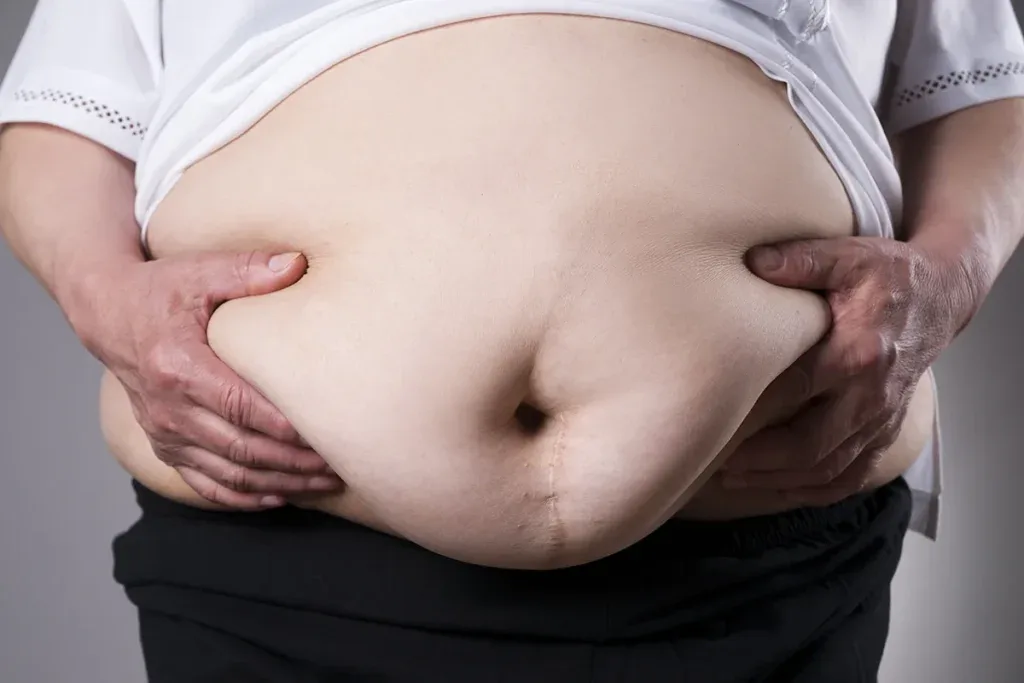
Turkey is a popular destination for international patients seeking bariatric treatment. Treatment programmes may combine hospital care with accommodation, local transfers, translation, and international patient coordination.
However, price should not be the only factor when selecting a bariatric provider.
Patients should evaluate:
The surgeon’s qualifications and bariatric experience
The hospital where the procedure will take place
Anaesthesia and intensive-care capabilities
Emergency arrangements
Infection-control procedures
The quality of the pre-operative evaluation
Nutritional and psychological support
Post-operative monitoring
Long-term follow-up arrangements
The process for treating complications after returning home
The services included in the treatment package
The policy regarding revision surgery or an extended hospital stay
Patients should receive written information about the proposed procedure, alternatives, possible complications, follow-up requirements, and potential additional costs.
Gastric Bypass Surgery at Dr. Cinik Clinic
Dr. Cinik Clinic’s published gastric bypass programme includes:
Remote assessment before travel
Review of medical history and laboratory results
International patient coordination
Pre-operative laboratory testing
Anaesthetic consultation
Psychological and nutritional evaluation
Laparoscopic Roux-en-Y gastric bypass
Hospital monitoring
Hotel accommodation after discharge
Dietary guidance
Remote post-operative support
The current gastric bypass page describes general anaesthesia, an operation time of approximately one to two hours, a five-night hospital-and-hotel programme, and an estimated recovery period of around four weeks. These are general programme details and should not be interpreted as guaranteed timelines for every patient.
The actual hospital stay, discharge date, and fitness to fly depend on the patient’s condition and recovery.
Step-by-Step Gastric Bypass Treatment Process
1. Remote Medical Assessment
Before travelling to Istanbul, the patient provides information about:
Height, weight, and BMI
Existing health conditions
Type 2 diabetes and current blood-sugar control
Previous abdominal or bariatric surgery
Current medications
Allergies
Weight-loss history
Eating behaviour
Smoking and alcohol use
Symptoms of reflux
Mental health history
Dr. Cinik Clinic’s currently published bariatric programme requests C-peptide and HbA1c results before gastric bypass treatment. Additional investigations may be required depending on the patient’s health and medical history.
Submitting test results does not confirm eligibility. Final approval is given only after the medical team completes its assessment.
2. Arrival in Istanbul
International patient coordinators assist according to the agreed treatment programme. Services may include airport transfers, accommodation, hospital admission, translation, and treatment coordination.
Patients should confirm in writing exactly what is included before travelling.
3. Pre-Operative Evaluation
The evaluation may include:
Full blood count
HbA1c and blood-glucose tests
Liver and kidney function tests
Thyroid tests
Coagulation studies
Iron, vitamin, and mineral levels
Electrocardiogram
Chest or abdominal imaging when indicated
Endoscopy when clinically appropriate
Anaesthetic consultation
Surgical examination
Dietitian assessment
Psychological evaluation
Additional specialist consultations
The operation may be postponed, changed, or cancelled if an unexpected medical concern is identified.
4. Preparing for Surgery
Patients may be prescribed a short-term pre-operative diet to reduce liver size and improve surgical access.
Preparation may also include:
Stopping smoking and nicotine use
Avoiding alcohol
Adjusting certain medications under medical supervision
Improving blood-sugar control
Correcting nutritional deficiencies
Following fasting instructions
Arranging support during recovery
Preparing for the post-operative diet
Patients should never stop blood thinners, diabetes medication, or other prescribed treatment unless directed by the relevant medical professional.
5. Surgery Day
Roux-en-Y gastric bypass is performed under general anaesthesia, usually through several small laparoscopic incisions.
During surgery, the medical team:
Creates a small pouch from the upper stomach.
Divides the small intestine.
Connects a lower section of the intestine to the stomach pouch.
Reconnects the bypassed intestinal section farther down.
Checks the surgical connections.
Closes the abdominal incisions.
The procedure generally takes approximately one to two hours, although complex cases may take longer.
6. Hospital Monitoring
After surgery, the patient is monitored for:
Bleeding
Leakage from a surgical connection
Infection
Blood clots
Breathing problems
Abnormal heart rate
Dehydration
Nausea and vomiting
Difficulty tolerating fluids
Anaesthesia-related complications
Gentle walking is normally encouraged as soon as medically appropriate. Fluids are introduced gradually according to the bariatric team’s protocol.
7. Discharge and Hotel Recovery
Discharge is considered when the patient:
Has stable vital signs
Can walk safely
Can tolerate the approved fluids
Has acceptable pain and nausea control
Has no clear signs of a serious complication
Understands the medication and diet plan
Has suitable accommodation and support
Dr. Cinik Clinic currently publishes a total gastric bypass programme of five nights. The exact division between clinic and hotel accommodation should be confirmed directly before travel.
A longer hospital or Istanbul stay may be required if recovery is slower than expected or if a complication is suspected.
Recovery After Gastric Bypass Surgery
Recovery varies according to the patient’s health, the complexity of surgery, and the nature of their work.
Common early effects include:
Abdominal soreness
Tiredness
Nausea
Reduced appetite
Changes in bowel habits
Difficulty consuming sufficient fluid
Discomfort around the incisions
Temporary weakness
Many patients return to desk-based work within approximately two to four weeks. More physical work may require a longer recovery period.
Heavy lifting and strenuous exercise must be avoided until the surgical team confirms that healing is sufficient.
Patients should:
Walk regularly
Increase activity gradually
Follow wound-care instructions
Take medication as directed
Meet daily fluid and protein targets
Avoid smoking and nicotine
Attend all planned follow-up appointments
Diet After Gastric Bypass Surgery
The stomach pouch and intestinal connections need time to heal. Patients therefore progress through a staged diet rather than immediately returning to solid food.
The usual stages include:
Clear or full liquids
Puréed foods
Soft foods
Gradual introduction of appropriate solid foods
Long-term balanced eating
Patients should follow the timetable provided by their own bariatric team.
Long-term eating habits generally include:
Eating small meals
Eating slowly
Chewing food thoroughly
Prioritising protein
Stopping at the first sign of fullness
Avoiding high-sugar foods and drinks
Limiting high-fat meals
Avoiding carbonated drinks
Drinking fluids between meals
Avoiding large amounts of fluid with food
Limiting or avoiding alcohol
Following the dietitian’s individual recommendations
Eating too quickly or consuming unsuitable foods may cause pain, vomiting, regurgitation, or dumping syndrome.
What Is Dumping Syndrome?
Dumping syndrome can occur when food, especially food containing large amounts of sugar or refined carbohydrates, moves too quickly into the small intestine.
Early dumping symptoms may include:
Abdominal cramps
Nausea
Diarrhoea
Bloating
Sweating
Dizziness
Rapid heartbeat
Weakness
Late dumping symptoms may include:
Shaking
Sweating
Hunger
Confusion
Weakness
Faintness caused by low blood sugar
Dumping symptoms may be managed by eating smaller meals, avoiding concentrated sugar, combining carbohydrates with protein, and following individual dietary advice.
Persistent or severe symptoms require medical assessment.
Lifelong Vitamins and Nutritional Monitoring
Gastric bypass reduces food intake and bypasses part of the intestine where nutrients are normally absorbed. Diet alone may therefore be insufficient to meet long-term vitamin and mineral requirements.
Patients are commonly prescribed:
A bariatric multivitamin and mineral supplement
Iron
Calcium
Vitamin D
Vitamin B12
Folate
Additional supplements based on blood-test results
Supplement requirements vary, but lifelong vitamin and mineral treatment is generally necessary after gastric bypass.
Regular blood tests are needed to monitor:
Full blood count
Iron and ferritin
Vitamin B12
Folate
Calcium
Vitamin D
Liver and kidney function
Thiamine and other nutrients when clinically indicated
Untreated deficiencies can cause anaemia, bone loss, nerve damage, muscle weakness, fatigue, memory problems, and other serious complications.
Remote support does not replace the need for local long-term medical care. Patients should arrange follow-up with an appropriate doctor and dietitian after returning home.
Expected Gastric Bypass Results
Gastric bypass can produce substantial weight loss, particularly during the first 12 to 18 months. However, outcomes vary widely.
Results are influenced by:
Starting BMI
Age and general health
Type and duration of diabetes
Eating behaviour
Physical activity
Medication use
Psychological wellbeing
Adherence to supplementation
Attendance at follow-up
Individual metabolic factors
No surgeon can guarantee an exact number of kilograms, final BMI, percentage of excess weight loss, or remission of a medical condition.
Some weight regain can occur over time, even after an initially successful result.
Can Weight Return After Gastric Bypass?
Yes. Gastric bypass is intended to provide durable weight loss, but the result is not automatically permanent.
Weight regain may be associated with:
Frequent snacking or grazing
High-calorie drinks
Emotional eating
Large or increasingly frequent portions
Lack of physical activity
Untreated eating or mental health conditions
Medication-related weight gain
Hormonal or metabolic factors
Anatomical changes
Loss of contact with the bariatric team
Patients who experience significant regain should undergo medical, nutritional, behavioural, and, when necessary, anatomical evaluation.
Risks and Possible Complications
Gastric bypass is major abdominal surgery. Although many patients recover without a serious problem, complications are possible.
Early risks may include:
Bleeding
Infection
Leakage from a stomach or intestinal connection
Blood clots
Pulmonary embolism
Breathing complications
Injury to nearby organs
Anaesthesia-related complications
Dehydration
Persistent vomiting
Bowel obstruction
Need for another operation
Rarely, death
Later complications may include:
Nutritional deficiencies
Anaemia
Osteoporosis
Anastomotic stricture
Marginal ulcer
Internal hernia
Bowel obstruction
Gallstones
Dumping syndrome
Reactive hypoglycaemia
Chronic abdominal pain
Food intolerance
Excessive or inadequate weight loss
Weight regain
Alcohol-related problems
Need for revision surgery
Follow-up interventions, hospital admissions, and additional procedures are not unusual after bariatric surgery and occur more frequently after gastric bypass than after sleeve gastrectomy.
Marginal Ulcers and Smoking
Ulcers can develop near the connection between the stomach pouch and small intestine.
Risk may be increased by:
Smoking or nicotine use
Certain anti-inflammatory medicines
Poor adherence to prescribed acid-reducing medication
Alcohol use
Other individual medical factors
Patients should discuss all painkillers and medications with their bariatric team. Smoking cessation should be treated as an essential part of surgical preparation and long-term care.
Alcohol After Gastric Bypass
Gastric bypass can change how alcohol is absorbed and processed. Alcohol may enter the bloodstream more quickly and may have a stronger or less predictable effect.
Research also suggests that alcohol-related problems may occur more frequently after gastric bypass.
Patients should follow their medical team’s guidance regarding alcohol and may be advised to avoid it completely.
Warning Signs After Surgery
Patients must seek urgent medical attention if they experience:
Severe or increasing abdominal pain
Persistent vomiting
Inability to drink
Rapid heartbeat
Fever
Shortness of breath
Chest pain
Fainting
Heavy bleeding
Black stools
Vomiting blood
Increasing redness or discharge from an incision
Swelling or pain in one leg
Sudden weakness or confusion
A condition that becomes worse rather than better
Patients who have returned home should tell local healthcare professionals that they recently underwent Roux-en-Y gastric bypass abroad.
Flying Home After Gastric Bypass Surgery
Patients should not assume that they can safely fly on a fixed day because it is included in a standard travel package.
Fitness to fly depends on:
Hydration
Mobility
Ability to tolerate fluids
Pain and nausea control
Blood-clot risk
Existing medical conditions
Flight duration
Absence of suspected complications
The surgeon’s assessment
The medical team may recommend delaying travel if recovery is incomplete.
During travel, patients may be advised to walk regularly, perform leg exercises, maintain approved fluid intake, and follow prescribed blood-clot prevention measures.
What Is Required from the Patient?
Gastric bypass requires active, lifelong participation.
Patients must be prepared to:
Follow the prescribed pre-operative diet
Follow fasting and medication instructions
Stop smoking and using nicotine
Disclose all medications and medical conditions
Follow the staged post-operative diet
Eat slowly and control portions
Meet protein and hydration targets
Take lifelong supplements
Complete regular blood tests
Increase physical activity gradually
Attend medical and nutritional follow-up
Seek help immediately if warning signs develop
Address emotional eating and mental health concerns
Surgery is a treatment tool. Long-term results depend on how consistently it is supported by medical care and sustainable lifestyle changes.
Pregnancy After Gastric Bypass Surgery
Fertility may improve after substantial weight loss.
Patients who could become pregnant should discuss contraception with their bariatric and gynaecological teams. Pregnancy is generally postponed during the rapid weight-loss period.
Pregnancy after gastric bypass requires specialist nutritional monitoring because deficiencies in iron, vitamin B12, folate, calcium, vitamin D, and other nutrients may affect both the patient and the developing baby.
Body-Contouring Surgery After Weight Loss
Substantial weight loss may leave loose skin around the:
Abdomen
Arms
Thighs
Breasts
Chest
Back
Once weight has stabilised and nutritional health has been assessed, suitable patients may consider:
Tummy tuck
Lower-body lift
Arm lift
Thigh lift
Breast lift
Male chest contouring
Body-contouring procedures require a separate consultation and risk assessment. They should not be scheduled solely according to the amount of time that has passed since gastric bypass.
Frequently Asked Questions
Is gastric bypass permanent?
Gastric bypass is intended as a permanent procedure. Reversal may be technically possible in selected medical circumstances, but it is complex and carries additional risks.
Is gastric bypass surgery safe?
It is an established bariatric operation, but it remains major surgery. Individual risk depends on the patient’s health, BMI, previous surgery, smoking status, surgical team, hospital, and quality of follow-up.
Is gastric bypass better than gastric sleeve?
Neither procedure is best for everyone. Gastric bypass may be more suitable for some patients with severe reflux or complex metabolic disease. Sleeve gastrectomy may be more appropriate for others.
Does gastric bypass cure type 2 diabetes?
It can substantially improve blood-sugar control and may produce remission. Remission is not guaranteed, and diabetes can return.
Will I be able to eat normally again?
Patients gradually return to a varied diet, but portions remain smaller and eating habits must change permanently. High-sugar or high-fat meals may cause dumping symptoms.
Do I need supplements for life?
Yes. Lifelong vitamin and mineral supplementation and regular blood monitoring are generally required after gastric bypass.
How much weight will I lose?
Weight loss varies between patients. No provider can guarantee an exact result.
Can I regain weight?
Yes. Weight regain is possible after any bariatric operation.
Will gastric bypass improve reflux?
It may improve gastro-oesophageal reflux in suitable patients, but outcomes vary and a full evaluation remains necessary.
When can I return to work?
Many patients return to desk-based work within approximately two to four weeks. Physically demanding work may require longer.
When can I exercise?
Gentle walking is generally encouraged early. Heavy lifting and strenuous exercise should resume only after medical approval.
Will I have scars?
Yes. Laparoscopic surgery creates several small abdominal scars. They usually fade over time but do not disappear completely.
How long must I stay in Istanbul?
Dr. Cinik Clinic currently publishes a five-night gastric bypass programme. The actual stay may need to be extended depending on the patient’s recovery.
Is long-term follow-up necessary?
Yes. Lifelong medical surveillance is recommended after metabolic and bariatric surgery.
Conclusion
Roux-en-Y gastric bypass is an established metabolic and bariatric procedure that creates a smaller stomach pouch and reroutes part of the small intestine.
For suitable patients, it can support substantial weight loss and improve obesity-related conditions such as type 2 diabetes, hypertension, sleep apnoea, and reflux. However, no specific outcome can be guaranteed.
The procedure permanently changes the digestive system and carries risks including leakage, bleeding, blood clots, ulcers, internal hernias, dumping syndrome, and nutritional deficiencies. Lifelong supplements, regular blood tests, healthy eating, physical activity, and medical follow-up are essential.
Patients considering gastric bypass surgery in Turkey should receive a comprehensive medical assessment, discuss alternative procedures, understand the risks, and establish a long-term follow-up plan before travelling.
At Dr. Cinik Clinic in Istanbul, the treatment journey is planned around each patient’s medical history, surgical suitability, nutritional needs, travel arrangements, and recovery.