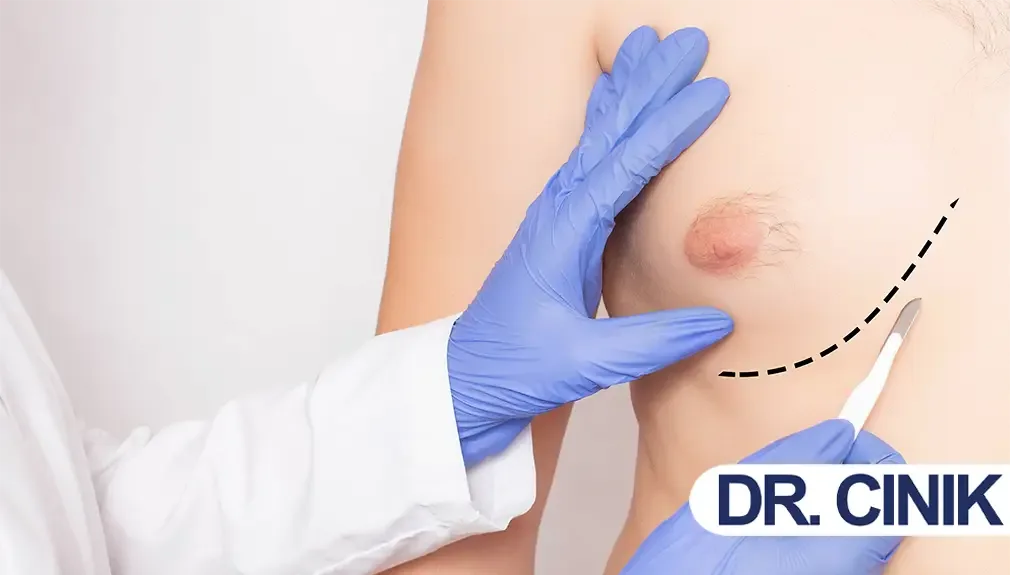
Gynecomastia surgery, also known as male breast reduction surgery, is a cosmetic surgical procedure that reduces excess breast tissue in men and creates a flatter, firmer, and more defined chest contour.
Gynecomastia may affect one or both sides of the chest. It can involve excess glandular breast tissue, localised fat, stretched skin, or a combination of these concerns. Depending on the type and severity of the condition, treatment may involve liposuction, surgical tissue removal, skin reduction, or a combination of techniques.
Although gynecomastia is often harmless, it can cause tenderness, discomfort, embarrassment, and emotional distress. Surgery may be considered when the condition does not improve naturally or after its underlying cause has been addressed.
What Is Gynecomastia?
Gynecomastia is the enlargement of glandular breast tissue in boys or men. It commonly develops because of an imbalance between the effects of testosterone and oestrogen on breast tissue.
The condition can occur at different stages of life, including infancy, puberty, and older adulthood. Puberty-related gynecomastia frequently improves without treatment within several months to two years. Persistent gynecomastia in adults may require further medical investigation.
Gynecomastia may appear as:
A firm or rubbery area beneath the nipple
Enlargement of one or both breasts
Uneven chest development
Tenderness or sensitivity
Puffy or prominent nipples
Excess or sagging chest skin in more advanced cases
Gynecomastia is different from pseudogynecomastia, which refers mainly to fat accumulation in the chest without significant enlargement of glandular breast tissue. Some patients have both excess fat and glandular tissue.
A physical examination is necessary to identify the type of tissue involved and determine the most appropriate treatment.
What Causes Gynecomastia?
Gynecomastia can develop when hormonal changes increase the effect of oestrogen or reduce the effect of testosterone on breast tissue.
Possible causes include:
Natural hormonal changes during puberty or aging
Certain prescription medications
Anabolic steroid use
Significant weight gain
Low testosterone levels
Thyroid disorders
Liver or kidney disease
Some tumours and endocrine conditions
Recreational drug use
Herbal products or supplements with hormonal effects
In some cases, no specific cause can be identified.
Because enlarged male breasts may occasionally be associated with an underlying health condition, patients should undergo a medical assessment before considering cosmetic surgery. Treating the underlying cause or changing a related medication may reduce the enlargement without surgery. Patients should never stop prescribed medication without consulting their doctor.
When Should You See a Doctor?
Most cases of gynecomastia are not dangerous. However, medical assessment is recommended if the breast enlargement is new, painful, rapidly changing, or affecting only one side.
Patients should seek medical advice if they notice:
A hard or fixed breast lump
Sudden or rapid breast enlargement
Significant pain or tenderness
Nipple discharge or bleeding
Nipple retraction
Skin dimpling or other skin changes
A lump in the armpit
Unexplained weight loss
Other symptoms of hormonal imbalance
Male breast cancer is uncommon, but suspicious breast changes should always be examined rather than assumed to be gynecomastia.
What Is Gynecomastia Surgery?
Gynecomastia surgery removes excess fat, glandular breast tissue, and, when necessary, loose skin from the male chest.
The procedure is intended to:
Reduce enlarged male breasts
Create a flatter chest contour
Improve chest symmetry
Reduce puffy or enlarged areolas
Reposition the nipple when required
Remove loose skin in severe cases
Improve the definition of the chest
The surgical technique is selected according to the amount and type of tissue present, the quality of the skin, nipple position, chest asymmetry, and the patient’s goals.
Gynecomastia surgery is not a weight-loss operation. Patients who are significantly overweight may be advised to reach a healthier, stable weight before surgery.
Gynecomastia Surgery vs. Chest Liposuction
Gynecomastia surgery and chest liposuction are related procedures, but they do not correct exactly the same concerns.
Chest Liposuction
Liposuction removes excess fatty tissue through small incisions. It may be suitable when chest enlargement is mainly caused by fat and the skin has enough elasticity to contract after treatment.
Liposuction cannot reliably remove dense glandular breast tissue.
Gland Excision
Excision involves surgically removing firm glandular tissue, usually through an incision around part of the areola. It may be recommended when a firm mass is present beneath the nipple or when liposuction alone cannot produce adequate correction.
Combined Liposuction and Excision
Many patients have a combination of fat and glandular tissue. In these cases, the surgeon may use liposuction to contour the chest and excision to remove the gland beneath the nipple.
Skin Reduction
Patients with significant breast enlargement or sagging may require removal of excess skin. The nipples and areolas may also need to be repositioned. This technique creates longer scars but may be necessary to achieve a firmer chest contour.
Who Is a Good Candidate for Gynecomastia Surgery?
Male breast reduction surgery may be suitable for healthy adults with persistent gynecomastia that has not improved after observation, lifestyle changes, or treatment of an underlying cause.
Suitable candidates generally:
Have stable breast development
Are in good overall health
Are close to a stable and appropriate body weight
Have realistic expectations
Are uncomfortable with the appearance of their chest
Experience tenderness or physical discomfort
Avoid swimming, sports, fitted clothing, or social activities because of their chest
Do not smoke or are willing to stop before and after surgery
Understand the potential risks and permanent scarring
Can follow post-operative instructions
Adolescents are not automatically excluded from surgery, but puberty-related gynecomastia often resolves naturally. Surgery for younger patients requires careful evaluation of physical development, symptom duration, emotional impact, and the possibility of recurrence.
Can Gynecomastia Be Treated Without Surgery?
Not every patient with gynecomastia needs an operation.
Non-surgical management may include:
Monitoring puberty-related gynecomastia
Losing weight when excess chest fat is present
Treating an underlying medical condition
Reviewing medications with a doctor
Stopping anabolic steroids or recreational substances
Medical treatment in carefully selected cases
Weight loss may reduce fatty tissue in the chest, but it may not remove firm glandular tissue. Surgery may therefore be considered when breast enlargement remains after the patient has reached a stable weight.
Medication may help certain patients, particularly when gynecomastia is recent or related to a specific hormonal problem. However, treatment must be prescribed and supervised by an appropriate doctor.
Preparing for Male Breast Reduction Surgery
Preparation begins with a detailed consultation. The surgeon will assess the chest, discuss the patient’s goals, explain the available techniques, and determine whether further medical investigation is required.
The consultation may include:
Review of medical conditions
Review of medications and supplements
Discussion of steroid, alcohol, tobacco, and recreational drug use
Physical examination of the breasts and chest
Assessment of the amount of fat, glandular tissue, and loose skin
Measurement of breast and nipple position
Evaluation of chest symmetry
Clinical photography
Discussion of scars and expected results
Explanation of risks and recovery
Blood tests or imaging studies may be requested when the cause is unclear or when the examination identifies an unusual finding.
Before surgery, patients may be instructed to:
Stop smoking and using nicotine products
Avoid medications that increase bleeding risk when medically appropriate
Complete requested laboratory tests
Maintain a stable weight
Avoid alcohol before the procedure
Arrange transport home
Arrange assistance during the initial recovery period
Follow fasting instructions
Wear loose, comfortable clothing on the day of surgery
Patients must tell the medical team about all prescribed medicines, over-the-counter products, supplements, allergies, and previous operations.
What Happens During Gynecomastia Surgery?
Gynecomastia surgery is commonly performed under general anaesthesia, although local anaesthesia with sedation may be appropriate for some limited procedures.
The exact steps depend on the selected surgical technique.
1. Anaesthesia
The anaesthesia team administers medication to keep the patient comfortable throughout the operation.
2. Liposuction
When excess fat is present, the surgeon makes small incisions and inserts a thin tube called a cannula. The cannula loosens and removes fatty tissue while helping shape the chest.
3. Glandular Tissue Removal
Dense glandular tissue is usually removed through an incision placed along the edge of the areola. The surgeon carefully removes the required amount while preserving an appropriate layer beneath the nipple.
4. Removal of Excess Skin
In more advanced cases, stretched skin may be removed. The nipple and areola can be lifted or repositioned when necessary.
5. Incision Closure
The incisions are closed with sutures. Dressings and a compression garment are applied. Some patients may require temporary surgical drains to prevent fluid from accumulating beneath the skin.
How Long Does Gynecomastia Surgery Take?
The length of male breast reduction surgery depends on the severity of the condition and the techniques used.
A straightforward liposuction or gland-removal procedure may take approximately one to two hours. More extensive operations involving skin removal and nipple repositioning may take longer.
Many patients can leave the medical facility on the same day. An overnight stay may be advised after extensive surgery or when additional medical observation is required.
What Happens After Gynecomastia Surgery?
After surgery, patients are monitored as they recover from anaesthesia. The chest is usually covered with dressings, and a compression garment is worn to support the tissues and control swelling.
Common temporary effects include:
Swelling
Bruising
Tightness
Tenderness
Reduced or altered nipple sensation
Mild fluid drainage
Temporary chest asymmetry
Discomfort around the incisions
The surgical team will provide instructions covering medication, wound care, showering, compression garments, sleeping position, activity restrictions, and follow-up appointments.
Gynecomastia Surgery Recovery
Recovery varies according to the extent of surgery, the patient’s health, and the type of work they perform.
Many patients can return to desk-based work within several days to one or two weeks. Patients with physically demanding jobs may need a longer recovery period. More extensive skin-removal surgery can also require additional time away from work.
During recovery, patients may be advised to:
Wear a compression garment as directed
Walk gently to support circulation
Sleep on their back with the upper body elevated
Keep the incisions clean and dry
Avoid lifting the arms excessively during early healing
Avoid heavy lifting
Avoid chest exercises and strenuous activity
Take prescribed medication correctly
Attend all follow-up appointments
Avoid smoking, nicotine, and alcohol
Light daily activities are gradually resumed. Strenuous exercise and heavy upper-body training are usually restricted for several weeks and should only restart after the surgeon has confirmed that healing is progressing safely.
Swelling improves gradually rather than disappearing immediately. Patients should follow their surgeon’s individual recovery timetable instead of relying on a fixed schedule.
Do You Need to Wear a Compression Garment?
Most patients are asked to wear a compression vest after gynecomastia surgery.
The garment may:
Support the treated chest
Help control swelling
Protect the healing tissues
Reduce unnecessary movement
Help the skin adapt to the new chest contour
The required duration varies according to the surgical technique and the surgeon’s protocol. It is important not to use a garment that is tighter than recommended, as excessive pressure may affect comfort and circulation.
Gynecomastia Surgery Scars
Every surgical technique that uses an incision creates a permanent scar. The scar pattern depends on the amount of tissue and skin being removed.
Possible incision locations include:
Along the edge of the areola
Within the armpit or side of the chest
Around the entire areola
Vertically beneath the areola
Horizontally across the lower chest in severe cases
Liposuction scars are usually small. Gland excision commonly creates a scar along the areolar border, where the colour difference between the areola and surrounding skin may help make it less noticeable.
More extensive skin reduction produces longer scars. Scars are often red or firm initially before gradually fading. However, they do not disappear completely.
Patients should protect healing scars from sunlight and follow the surgeon’s scar-care recommendations.
Risks and Possible Complications
Gynecomastia surgery is generally performed successfully, but all surgery carries potential risks.
Possible complications include:
Bleeding
Infection
Blood clots
Fluid accumulation, known as a seroma
Haematoma
Delayed wound healing
Noticeable or raised scars
Chest asymmetry
Contour irregularities
Under-correction or over-correction
Persistent pain
Changes in nipple or chest sensation
Loss of nipple tissue in rare cases
Skin discolouration
Fat necrosis
Anaesthesia-related complications
Need for revision surgery
Unsatisfactory cosmetic results
Changes in nipple sensation may be temporary or permanent. The risks vary according to the extent of surgery, the patient’s health, smoking status, and individual healing characteristics.
Patients should contact their surgical team immediately if they experience severe or increasing pain, sudden swelling, excessive bleeding, fever, worsening redness, chest pain, breathing difficulty, or other unexpected symptoms.
When Are Gynecomastia Surgery Results Visible?
An improvement in chest shape is usually visible soon after surgery. However, swelling, bruising, dressings, and compression garments can initially hide the final contour.
The chest continues to change as:
Swelling decreases
The skin contracts
Scar tissue softens
Incisions mature
The tissues settle into their new position
Final results may take approximately three to six months to become apparent. Some changes, particularly scar maturation, can continue for longer.
Small differences between the two sides of the chest are natural, and perfect symmetry cannot be guaranteed.
Are Gynecomastia Surgery Results Permanent?
The fat and glandular tissue removed during surgery do not normally return. Male breast reduction results can therefore be long-lasting when the patient maintains a stable lifestyle and the original cause has been addressed.
However, recurrence or renewed chest enlargement may occur because of:
Significant weight gain
Anabolic steroid use
Certain medications
Hormonal changes
Untreated medical conditions
Recreational drug use
Incomplete removal of the affected tissue
Maintaining a stable weight, avoiding anabolic steroids, following medical advice, and attending follow-up appointments can help protect the result.
Benefits of Male Breast Reduction Surgery
Potential benefits include:
A flatter and firmer chest
Improved chest proportions
Better definition beneath clothing
Reduced nipple prominence
Improved chest symmetry
Greater comfort during exercise
Less skin irritation or tenderness
Increased confidence in fitted clothing
Greater comfort when swimming or going shirtless
The psychological effect varies between patients. Surgery should be chosen for personal reasons and with realistic expectations rather than pressure from other people.
Choosing a Gynecomastia Surgeon
Male breast reduction should be performed by an appropriately qualified plastic surgeon with experience treating different grades of gynecomastia.
During the consultation, patients should ask:
What is causing my chest enlargement?
Do I have fat, glandular tissue, excess skin, or a combination?
Do I need any medical tests before surgery?
Is liposuction alone sufficient?
Will glandular tissue need to be removed?
Will skin removal be necessary?
Where will the scars be positioned?
What type of anaesthesia will be used?
How long will recovery take?
When can I return to work and exercise?
What complications are most relevant to me?
How often do you perform gynecomastia surgery?
What follow-up care is included?
What happens if revision surgery is needed?
A responsible surgeon should discuss both the potential benefits and limitations of the procedure. No surgeon can guarantee a particular cosmetic outcome.
Frequently Asked Questions About Gynecomastia Surgery
Is gynecomastia surgery painful?
Patients usually experience soreness, tightness, swelling, and tenderness rather than severe pain. Discomfort can generally be managed with medication prescribed by the surgeon.
Can exercise eliminate gynecomastia?
Exercise can reduce body fat and develop the chest muscles, but it cannot reliably remove glandular breast tissue. In some patients, building the pectoral muscles may make the overlying gland appear more noticeable.
Can weight loss cure gynecomastia?
Weight loss may reduce fatty tissue in the chest, particularly in patients with pseudogynecomastia. It may not remove firm glandular tissue beneath the nipple.
Does gynecomastia surgery leave scars?
Yes. Every surgical incision creates a permanent scar. The length and position depend on whether the treatment involves liposuction, gland removal, skin removal, or nipple repositioning.
Can gynecomastia return after surgery?
Recurrence is possible, particularly after significant weight gain, anabolic steroid use, hormonal changes, or exposure to medications and substances associated with gynecomastia.
Will the nipple be repositioned?
Nipple repositioning is usually unnecessary in mild or moderate cases. It may be required when there is significant sagging or excess skin.
When can I return to work?
Patients with desk-based jobs may be able to return within several days to one or two weeks. More physical work requires additional recovery time.
When can I exercise after male breast reduction?
Gentle walking is usually encouraged early in recovery. Running, weight training, chest exercises, and contact sports must be postponed until the surgeon confirms that they are safe.
Can only one side of the chest be treated?
Yes. Gynecomastia can affect one side more than the other. Surgery can be adapted to improve asymmetry, although exact symmetry cannot be guaranteed.
Is male breast reduction suitable for teenagers?
Many puberty-related cases improve without surgery. Teenagers with persistent gynecomastia, pain, severe emotional distress, or stable breast development may be assessed individually by an appropriate medical team.
Is gynecomastia surgery a weight-loss procedure?
No. The operation reshapes the chest by removing localised tissue. It does not treat obesity or produce significant overall weight loss.
Conclusion
Gynecomastia surgery is a male breast reduction procedure that removes excess glandular tissue, fat, and, when required, loose skin. Depending on the patient’s anatomy, treatment may involve liposuction, tissue excision, skin reduction, or a combination of techniques.
Before considering surgery, the cause of the breast enlargement should be assessed. Some cases improve naturally or after weight loss, medication review, or treatment of an underlying medical condition.
For appropriate candidates, gynecomastia surgery can create a flatter, firmer, and more proportionate chest. However, patients must understand that the procedure involves recovery, permanent scars, possible complications, and no guarantee of perfect symmetry.
A consultation with a qualified plastic surgeon is essential to establish the cause of the condition, select an appropriate treatment plan, and develop realistic expectations about recovery and results.