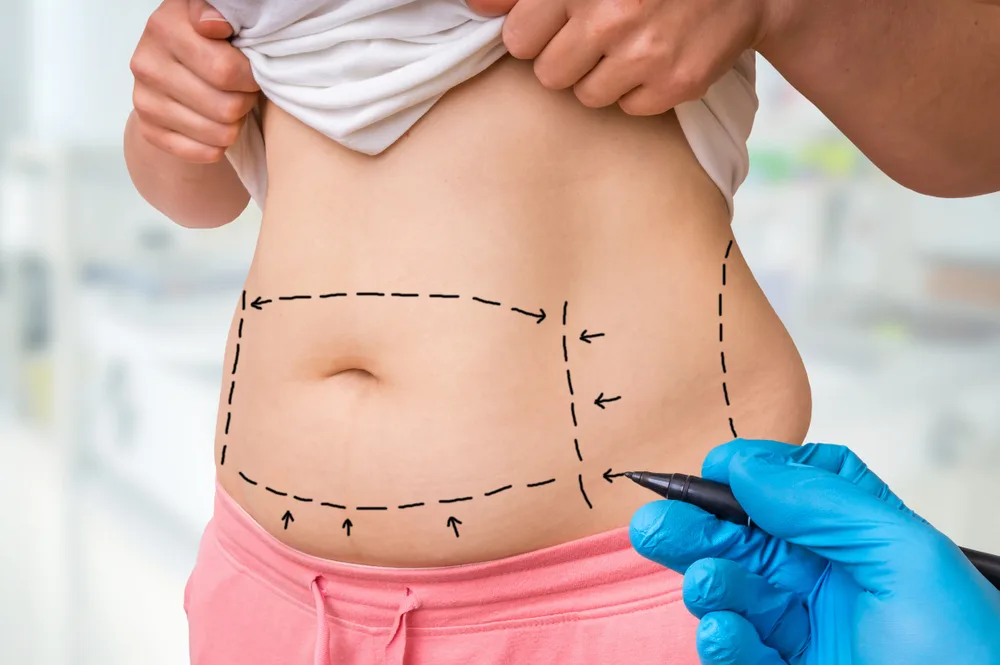
A tummy tuck, medically known as abdominoplasty, is a cosmetic surgical procedure designed to create a smoother, firmer, and more defined abdominal profile. The procedure removes excess skin, may reduce localized fat deposits, and can tighten weakened or separated abdominal muscles.
Tummy tuck surgery is commonly considered by people who have loose abdominal skin following pregnancy, significant weight loss, aging, or changes in body shape. Unlike liposuction, which mainly removes fat, abdominoplasty also addresses excess skin and abdominal muscle laxity.
What Is a Tummy Tuck?
A tummy tuck is a form of body contouring surgery that reshapes the abdominal area. During the procedure, a plastic surgeon makes an incision in the lower abdomen, removes excess skin, and tightens the remaining tissue.
When necessary, the surgeon may also repair separated or weakened abdominal muscles. Liposuction may be performed alongside a tummy tuck to improve the contour of the waist and abdomen, but the two procedures are not the same.
A tummy tuck may help address:
Loose or sagging abdominal skin
Abdominal muscle separation, also called diastasis recti
A lower abdominal bulge that does not improve with exercise
Excess skin following major weight loss
Changes to the abdomen after pregnancy
Localized fat deposits around the stomach and waist
A tummy tuck is not a weight-loss procedure. It is generally most suitable for people who are close to their preferred weight and want to improve the shape and firmness of their abdomen.
Mini Tummy Tuck vs. Full Tummy Tuck
The two most common types of abdominoplasty are the mini tummy tuck and the full tummy tuck. The best option depends on the location of the excess skin, the condition of the abdominal muscles, and the patient’s desired outcome.
Full Tummy Tuck
A full tummy tuck treats both the upper and lower abdomen. It is generally recommended for people with significant loose skin, widespread muscle separation, or changes affecting the entire abdominal area.
During a full tummy tuck, the surgeon usually:
Makes a horizontal incision across the lower abdomen
Removes excess skin and tissue
Tightens separated abdominal muscles when required
Repositions the remaining skin
Creates a new opening for the belly button
Because a full tummy tuck treats a larger area, it usually requires a longer incision and recovery period than a mini tummy tuck.
Mini Tummy Tuck
A mini tummy tuck focuses mainly on the area below the belly button. It may be suitable for people who have a small amount of loose skin or a persistent lower abdominal bulge but do not require extensive correction.
A mini tummy tuck generally involves:
A shorter lower-abdominal incision
Removal of a limited amount of excess skin
Possible tightening of the lower abdominal muscles
No repositioning of the belly button in most cases
The procedure is less extensive than a full tummy tuck, although it is not suitable for everyone.
Mini Tummy Tuck and Full Tummy Tuck Comparison
Feature | Full Tummy Tuck | Mini Tummy Tuck |
|---|---|---|
Treatment area | Upper and lower abdomen | Mainly below the belly button |
Incision length | Usually longer | Usually shorter |
Belly button repositioning | Often required | Usually not required |
Muscle repair | Can treat more extensive separation | Generally limited to the lower abdomen |
Amount of excess skin removed | Moderate to significant | Small to moderate |
Recovery period | Typically longer | Typically shorter |
Best suited for | Widespread loose skin and muscle laxity | Limited lower-abdominal concerns |
The choice between a mini and full tummy tuck should be made after a detailed examination by a qualified plastic surgeon.
Who Is a Good Candidate for a Tummy Tuck?
A tummy tuck may be suitable for adults who are in good general health and have realistic expectations about the procedure.
Good candidates may include people who:
Have loose or hanging abdominal skin
Are close to a stable and healthy weight
Have abdominal muscle separation after pregnancy
Have excess skin after significant weight loss
Do not smoke or are prepared to stop before and after surgery
Understand that a permanent scar will remain
Can follow the surgeon’s recovery instructions
Are not planning major weight loss in the near future
Women considering future pregnancies may be advised to postpone tummy tuck surgery. Pregnancy can stretch the abdominal skin and muscles again, potentially affecting the results.
The procedure is not intended to treat obesity and should not be viewed as an alternative to diet, exercise, or weight-loss treatment.
How Is a Tummy Tuck Performed?
Tummy tuck surgery is usually carried out under general anaesthesia. The exact surgical technique depends on whether the patient is having a mini, full, or extended tummy tuck.
The procedure generally includes the following steps:
1. Anaesthesia
Medication is administered to keep the patient comfortable throughout the operation. Most tummy tuck procedures are performed under general anaesthesia.
2. Surgical Incision
The surgeon makes a horizontal incision in the lower abdomen, usually positioned so that it can be covered by underwear or swimwear. The length of the incision depends on the amount of excess skin being removed.
3. Abdominal Muscle Repair
If the abdominal muscles are weakened or separated, the surgeon may bring them closer together and secure them with sutures. This can create a firmer abdominal wall.
4. Removal of Excess Skin
Loose skin is pulled downward, and the excess tissue is removed. Liposuction may also be used to refine the surrounding contour when appropriate.
5. Belly Button Repositioning
During a full tummy tuck, a new opening is usually created for the belly button after the abdominal skin has been repositioned.
6. Closing the Incisions
The incisions are closed with sutures. Surgical drains may be placed temporarily to prevent fluid from collecting beneath the skin.
The duration of surgery varies according to the type and complexity of the procedure.
Tummy Tuck Recovery
Recovery after a tummy tuck is different for every patient. The first few days usually involve swelling, tightness, bruising, and discomfort around the abdomen.
Patients are often encouraged to begin gentle walking soon after surgery to support circulation. However, strenuous activities, heavy lifting, and intense exercise must be avoided until the surgeon confirms that they are safe.
During the recovery period, patients may need to:
Wear a compression garment
Take prescribed pain medication
Care for the incision and surgical drains
Sleep with the upper body and knees slightly elevated
Avoid standing completely upright during the early stages
Attend scheduled follow-up appointments
Avoid smoking and alcohol during healing
Follow instructions regarding showering and wound care
Many patients can return to desk-based work after approximately two to four weeks, depending on the extent of surgery and the nature of their job. Full recovery and return to strenuous exercise may take several weeks or longer.
Swelling can take several months to settle completely. The final result becomes more visible as the tissues heal and the swelling decreases.
Tummy Tuck Scars
A tummy tuck leaves a permanent scar across the lower abdomen. The length of the scar depends on the amount of skin removed and the type of procedure performed.
Surgeons usually position the incision as low as possible so that the scar can be concealed beneath clothing. The scar may initially appear red, raised, or firm before gradually fading.
Proper scar care may include:
Protecting the scar from sunlight
Using recommended silicone products
Avoiding tension on the incision
Keeping the area clean and dry
Following the surgeon’s wound-care instructions
Avoiding smoking
Scar quality differs from person to person and may be influenced by genetics, skin type, healing ability, and post-operative care.
Risks and Possible Complications
As with all surgical procedures, a tummy tuck carries potential risks. These should be explained clearly during the consultation before the patient provides informed consent.
Possible tummy tuck risks include:
Bleeding
Infection
Fluid accumulation, known as a seroma
Delayed wound healing
Temporary or permanent changes in skin sensation
Noticeable or raised scarring
Asymmetry
Blood clots
Skin or tissue damage
Anaesthesia-related complications
Persistent pain
Unsatisfactory cosmetic results
Need for revision surgery
Choosing an experienced, appropriately qualified plastic surgeon and carefully following all pre-operative and post-operative instructions can help reduce certain risks.
Patients should seek urgent medical advice if they experience symptoms such as shortness of breath, chest pain, severe swelling, excessive bleeding, fever, or worsening pain after surgery.
How Long Do Tummy Tuck Results Last?
Tummy tuck results can be long-lasting, particularly when the patient maintains a stable weight and healthy lifestyle. The skin and fat removed during surgery do not grow back, but future changes to the body can affect the abdominal contour.
Factors that influence the longevity of tummy tuck results include:
Maintaining a Stable Weight
Significant weight gain can stretch the abdominal skin and alter the result. Major weight loss after surgery may also create new areas of loose skin.
Following a Healthy Lifestyle
Regular physical activity and a balanced diet can help maintain body weight and support long-term results.
Pregnancy After a Tummy Tuck
Pregnancy can stretch the abdominal muscles and skin, which may reduce the improvements achieved through surgery. Patients planning future pregnancies may wish to delay the procedure.
Natural Aging
A tummy tuck cannot stop the aging process. Skin firmness and elasticity may gradually change over time, although the abdomen may still appear more contoured than it would have without surgery.
Post-Operative Care
Wearing the recommended compression garment, protecting the incision, attending follow-up appointments, and following activity restrictions can support healing and the final outcome.
Tummy Tuck Results
The results of a tummy tuck may include:
A flatter and firmer abdominal appearance
Reduced loose or hanging skin
Improved definition of the waist
A stronger-looking abdominal contour
Improved fit of clothing
Correction of some abdominal muscle separation
Results vary depending on the patient’s anatomy, skin quality, weight stability, surgical technique, and healing process.
Although some improvement may be visible immediately, swelling can temporarily hide the final contour. It may take several months for the abdomen to fully settle.
Tummy Tuck vs. Liposuction
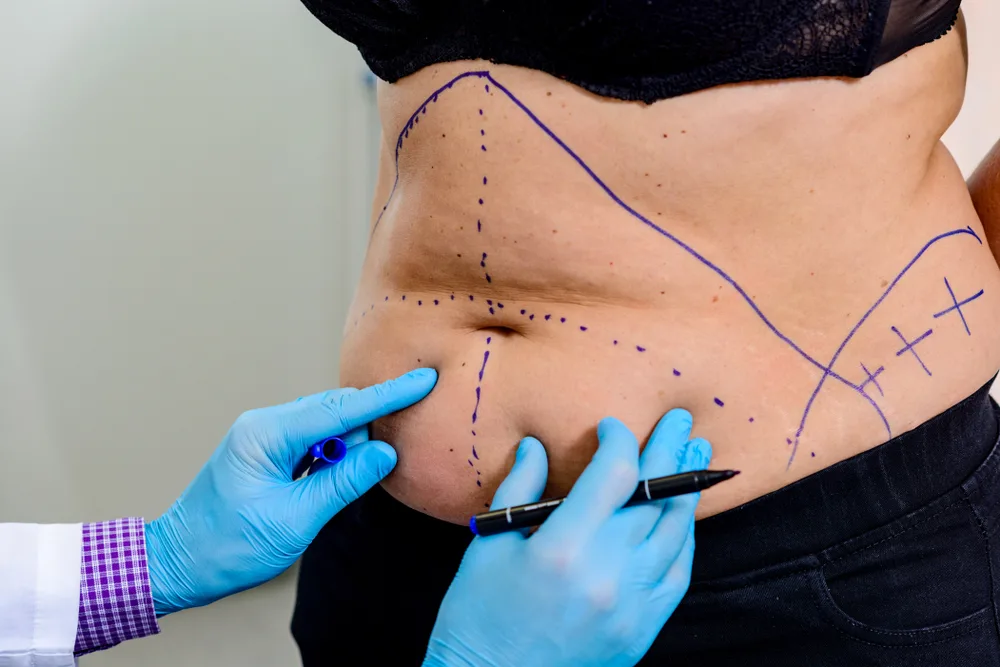
Tummy tuck surgery and liposuction are often confused, but they address different concerns.
Liposuction removes localized fat deposits through small incisions. It does not remove significant amounts of loose skin or repair separated abdominal muscles.
A tummy tuck removes excess skin and may tighten the abdominal muscles. It can also be combined with liposuction when additional fat reduction and contouring are needed.
Patients with good skin elasticity and isolated fat deposits may benefit from liposuction alone. Patients with loose skin, muscle separation, or extensive abdominal changes may require a tummy tuck.
Are There Non-Surgical Alternatives to a Tummy Tuck?
Non-surgical body-contouring treatments may help reduce small fat deposits or improve mild skin laxity. However, they cannot remove large amounts of excess skin or repair separated abdominal muscles.
Non-surgical treatments may be considered by people with minor concerns who do not want surgery, but the results are generally more limited than those of abdominoplasty.
A consultation is necessary to determine whether surgery or a non-surgical treatment is more appropriate.
Preparing for Tummy Tuck Surgery
Before surgery, the plastic surgeon will review the patient’s medical history, current medications, previous operations, and treatment goals.
Patients may be advised to:
Stop smoking several weeks before surgery
Avoid certain medications and supplements
Complete requested medical tests
Maintain a stable weight
Arrange transport home after surgery
Organize help with daily activities during early recovery
Prepare comfortable clothing and recovery supplies
Follow fasting instructions before the operation
Patients should openly discuss their expectations, concerns, medical conditions, and plans for future pregnancy or weight loss.
Choosing a Tummy Tuck Surgeon
Tummy tuck surgery should be performed by a qualified and experienced plastic surgeon in an appropriately equipped medical facility.
During the consultation, patients should ask about:
The surgeon’s qualifications and experience
The recommended tummy tuck technique
The location and length of the incision
Whether muscle repair or liposuction is required
Expected recovery time
Potential risks and complications
Scar placement and scar care
Before-and-after photographs
Follow-up care
What happens if revision surgery is needed
The surgeon should provide realistic information and should never guarantee a specific cosmetic result.
Frequently Asked Questions About Tummy Tuck Surgery
Is a tummy tuck painful?
Discomfort, tightness, swelling, and soreness are expected during the early recovery period. Pain is usually managed with medication prescribed by the surgeon.
Does a tummy tuck help with weight loss?
A tummy tuck is not a weight-loss procedure. Although some tissue is removed, the main purpose is to improve abdominal shape by removing loose skin and tightening the abdominal wall.
Can a tummy tuck remove stretch marks?
Stretch marks located on the skin that is removed may also be eliminated. Stretch marks outside the removed area will usually remain, although their position may change.
Can a tummy tuck repair separated abdominal muscles?
Yes. A full tummy tuck can include repair of separated or weakened abdominal muscles when clinically appropriate.
How long does swelling last after a tummy tuck?
Swelling is most noticeable during the first few weeks but may continue to improve over several months. Individual healing times vary.
When can I exercise after a tummy tuck?
Gentle walking is usually encouraged early in recovery. More demanding exercise must be introduced gradually and only after approval from the surgeon.
Is the tummy tuck scar permanent?
Yes. The scar is permanent, but it generally fades and becomes less noticeable over time. Its final appearance depends on healing, genetics, surgical technique, and scar care.
Can I become pregnant after a tummy tuck?
A tummy tuck does not normally prevent pregnancy. However, pregnancy may stretch the repaired muscles and skin, affecting the surgical result.
What is the best age for a tummy tuck?
There is no single ideal age. Suitability depends more on general health, weight stability, abdominal anatomy, expectations, and future pregnancy plans.
Conclusion
A tummy tuck, or abdominoplasty, can improve the shape of the abdomen by removing excess skin, tightening loose tissue, and repairing weakened abdominal muscles when necessary. It may be particularly beneficial after pregnancy, significant weight loss, or age-related changes.
A mini tummy tuck treats limited concerns below the belly button, while a full tummy tuck addresses a larger area of the abdomen. The most suitable technique can only be determined after an individual medical assessment.
Although tummy tuck surgery can produce significant and long-lasting changes, it also involves scarring, recovery time, and potential complications. Anyone considering the procedure should consult a qualified plastic surgeon, discuss their goals and medical history, and make an informed decision based on realistic expectations.